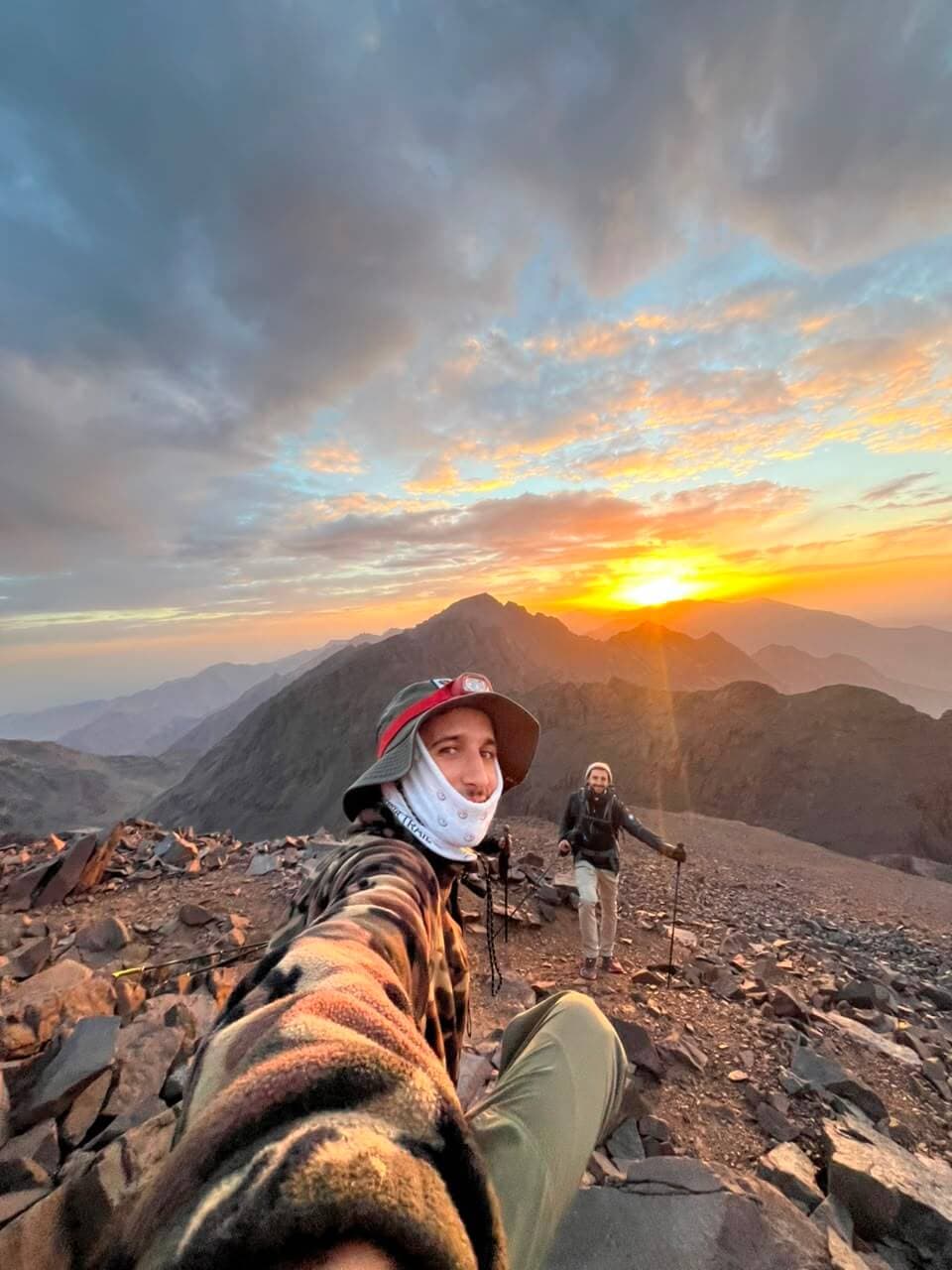
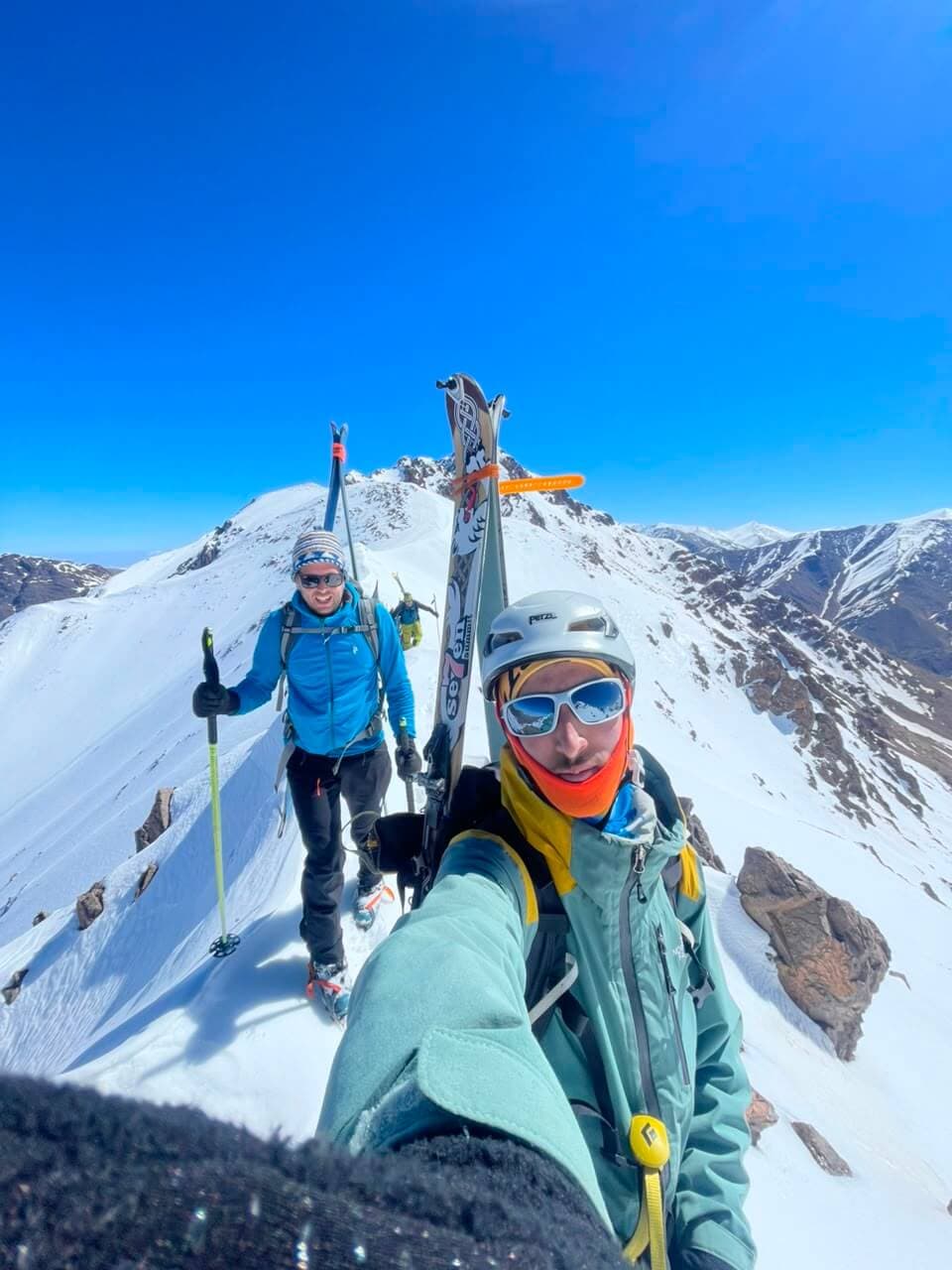
Mount Toubkal is the obvious introduction to trekking in Morocco, but it is only one part of the country's mountain landscape. Beyond the summit are long valleys, volcanic plateaus, remote villages, dramatic gorges and quieter trekking regions where the journey matters as much as the destination.
Why Trek in Morocco?
Morocco offers an unusually wide range of trekking landscapes within one country. The High Atlas provides high summits and mountain passes, while the Saghro and Siroua regions offer volcanic terrain, dry valleys and remote communities.
The best trekking journeys are not simply about collecting summits. They are about moving through changing landscapes, staying in mountain villages or camps and experiencing a side of Morocco that cannot be seen from the road.
The Mountain Principle
Morocco is not one trekking destination. It is a collection of mountain regions, each with its own landscape, rhythm and character.
The High Atlas: Morocco's Great Mountain Range
The High Atlas is the natural starting point for serious mountain trekking in Morocco. The range contains Mount Toubkal, the country's highest summit, together with hundreds of kilometres of trails connecting valleys, villages and high passes.
Imlil and the Toubkal Massif are particularly accessible from Marrakech, but the High Atlas extends far beyond the Toubkal trail. Longer journeys can reach quieter valleys and high mountain communities where trekking becomes a much more immersive experience.
M'Goun: Long Ridges and Remote Valleys
The M'Goun Massif is one of the strongest alternatives to the classic Toubkal route. Its landscapes combine broad high ridges, dramatic valleys, traditional villages and long-distance trekking.
The region is particularly attractive for trekkers who want several days in the mountains rather than a short summit-focused itinerary. The scale of the landscape creates a real sense of travelling through the Atlas.
Saghro: A Different Face of Morocco
The Saghro Mountains lie south of the central High Atlas and have a distinctly drier character. Volcanic rock formations, wide valleys, dramatic cliffs and open desert-like landscapes create a very different trekking environment.
Saghro is particularly interesting during the cooler months, when its dry terrain offers an alternative to snow-covered high mountains.
Siroua: Volcanic Mountains and Quiet Trails
The Siroua Massif sits between the High Atlas and the Anti-Atlas and is known for its volcanic landscapes and remote mountain valleys.
Trekking here is often quieter than around Toubkal. Routes pass through traditional communities, high plateaus and rugged volcanic terrain, creating a slower and more exploratory style of mountain travel.
The Sahara: Trekking Beyond the Mountains
Morocco's trekking landscape does not end with the Atlas. In the south-east, desert trekking offers a completely different rhythm, with open horizons, dunes, rocky plateaus and nights spent beneath the stars.
For travellers who want to combine mountains and desert, a longer Morocco journey can connect the Atlas with the Sahara and reveal how dramatically the country's landscapes change.
Which Morocco Trek Is Right for You?
The right region depends on what you want from the journey. Toubkal is ideal for a high summit experience, M'Goun for longer mountain trekking, Saghro for dry volcanic landscapes, Siroua for quieter trails and the Sahara for desert travel.
Fitness, season, altitude tolerance, preferred accommodation and the amount of time available should all influence the choice.
- Toubkal — high summit and classic High Atlas trekking
- M'Goun — long-distance mountain landscapes
- Saghro — dry volcanic terrain and winter trekking
- Siroua — remote volcanic mountain landscapes
- Sahara — desert trekking and wilderness camps
TREKKING IN MOROCCO
Explore Morocco's Mountain Trails
Explore multi-day trekking journeys across Morocco's High Atlas and beyond, from classic summit routes to quieter mountain landscapes.
Radouane Outdoor Journal
Keep exploring the mountains
Field notes, mountain guides and stories from Morocco's High Atlas and beyond.
Explore the Journal