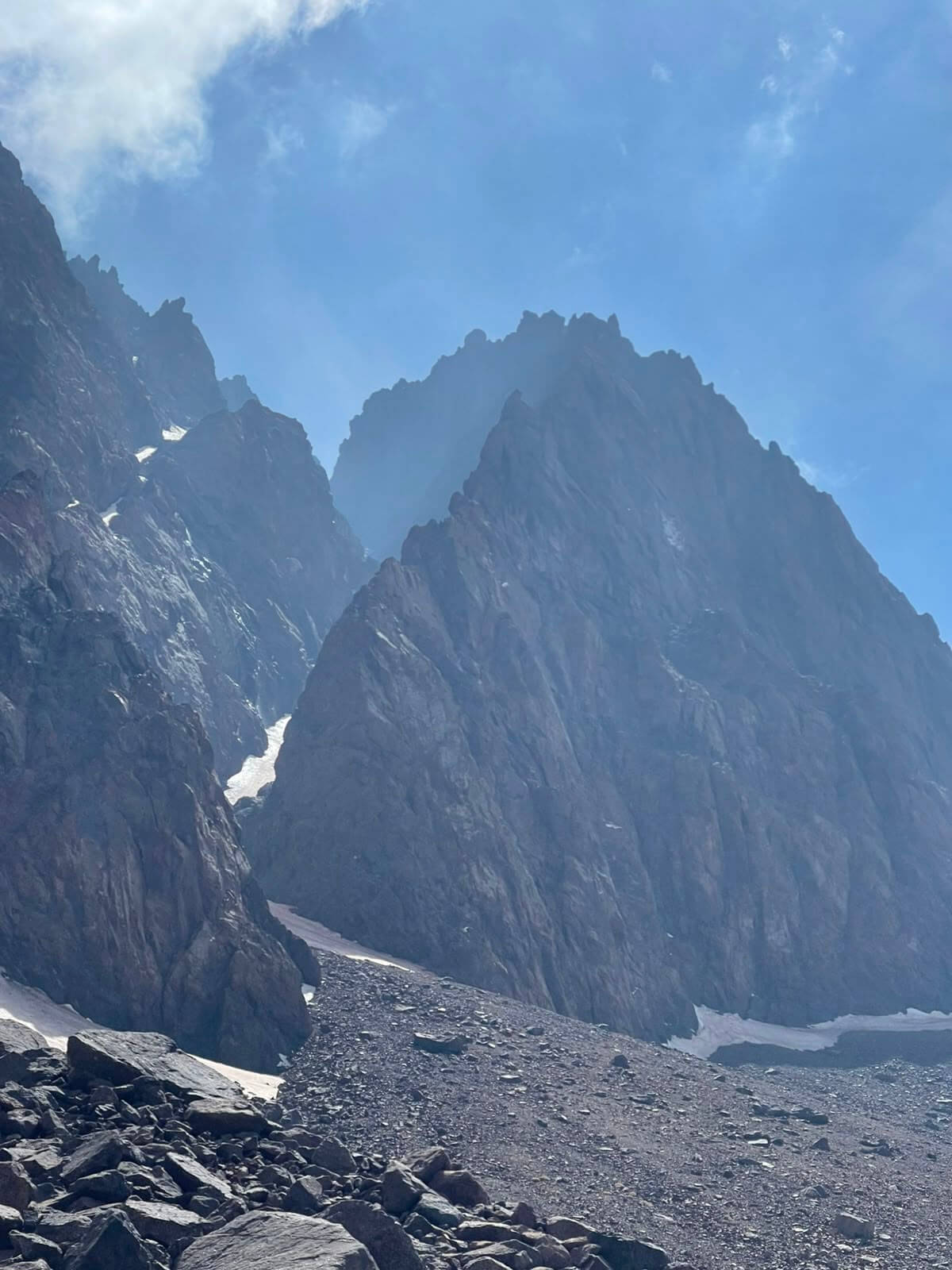
The High Point
Mount Toubkal
At 4,167 metres, Mount Toubkal is the highest summit in North Africa and the defining peak of the massif.
Morocco's High-Altitude Heartland
Explore the mountains surrounding Mount Toubkal, North Africa's highest summit at 4,167 metres. Trek through high passes, remote valleys and traditional Amazigh villages in one of Morocco's most spectacular mountain regions.
Mount Toubkal
Mountain Range
Mountain Gateway
Main Adventure
Long before modern trekking routes brought international visitors to the High Atlas, these mountains were already deeply connected to the lives, language and traditions of the Amazigh people.
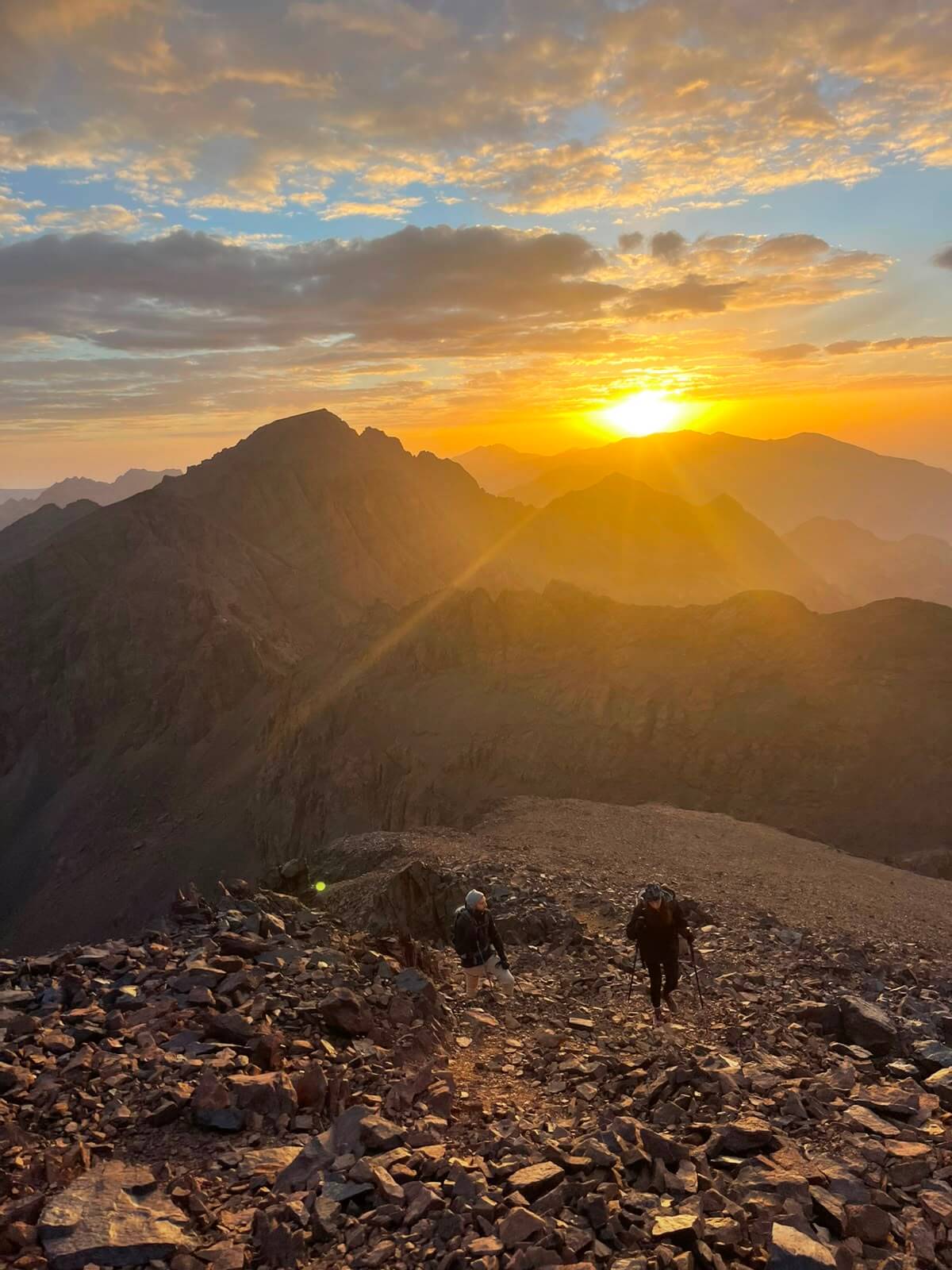
Mount Toubkal
4,167 metres · High Atlas Mountains · Morocco
Mount Toubkal stands at the centre of a much larger mountain world — a landscape of high peaks, deep valleys, ancient paths and Amazigh villages.
At 4,167 metres, Toubkal is the highest summit in North Africa. Yet the character of the massif cannot be understood from the summit alone.
The surrounding valleys have long provided routes between mountain communities, agricultural terraces and high pastures. Many of the trails trekkers follow today form part of this much older mountain landscape.
The result is a region where geography, history and living culture remain closely connected.
4,167 m
Highest Summit
High Atlas
Mountain Range
Imlil
Mountain Gateway
Amazigh
Living Culture
“Higher than the land.”
The older Amazigh name associated with Toubkal is understood as Tuger Akal.
The expression brings together two Amazigh words: Tuger, referring to something higher or bigger, and Akal, meaning land or earth.
Tuger
Higher · Bigger
A word associated with height, greatness or being above.
Akal
Land · Earth
The land or earth beneath the mountain.
A name that evokes a mountain rising above the land around it.
For a mountain that dominates the skyline of the surrounding High Atlas, the expression carries a powerful sense of place — connecting the summit to the land and language around it.
Toubkal entered the recorded history of modern mountaineering in the early twentieth century, while remaining a mountain deeply rooted in the local landscape.
The first recorded ascent of Mount Toubkal took place in 1923. The expedition brought European mountaineers into a mountain world that local communities had already known, travelled and lived around for generations.
Since those early recorded ascents, Toubkal has become one of the best-known high-altitude objectives in North Africa. Yet the mountain remains part of a much broader network of valleys, villages, passes and peaks.
Before 1923
The Toubkal Massif was already part of the landscape and daily life of Amazigh mountain communities.
1923
The first recorded ascent marked an important moment in the modern mountaineering history of the High Atlas.
Today
Trekkers and mountaineers now arrive from around the world to explore Toubkal and the wider High Atlas.
The summit has a number. The mountain has a history.
To understand Toubkal is to look beyond its 4,167-metre summit — to the Amazigh name, the valleys below, the historic mountain routes and the communities that continue to give this landscape its identity.
The Toubkal Massif is a landscape of contrasting terrain — from cultivated valleys and Amazigh villages to rocky summits, high passes and remote mountain basins.
At 4,167 metres, Mount Toubkal is the highest summit in North Africa and the defining peak of the massif.
Ouanoukrim forms one of the great high points of the Toubkal Massif, with rugged ridges and summit terrain offering a more demanding mountain experience beyond the classic Toubkal route.
Terrain
Ridges · Rocky Summits · High Mountain
A quieter mountain valley known for its dramatic scenery, traditional villages, high pastures and routes connecting deeper parts of the massif.
A dramatic valley beneath the high peaks, connecting mountain communities with trails leading toward the upper Toubkal region.
A landscape shaped by mountain life.
Mountain passes form the natural links between valleys and summits, creating some of the most rewarding sections of multi-day trekking in the High Atlas.
Traverse the massif, not just the summit.
Explore The Massif
Every valley changes the experience. Every pass reveals another side of the High Atlas.
From the summit of Mount Toubkal to longer journeys through valleys, mountain passes and remote landscapes, discover different ways to experience Morocco's High Atlas.
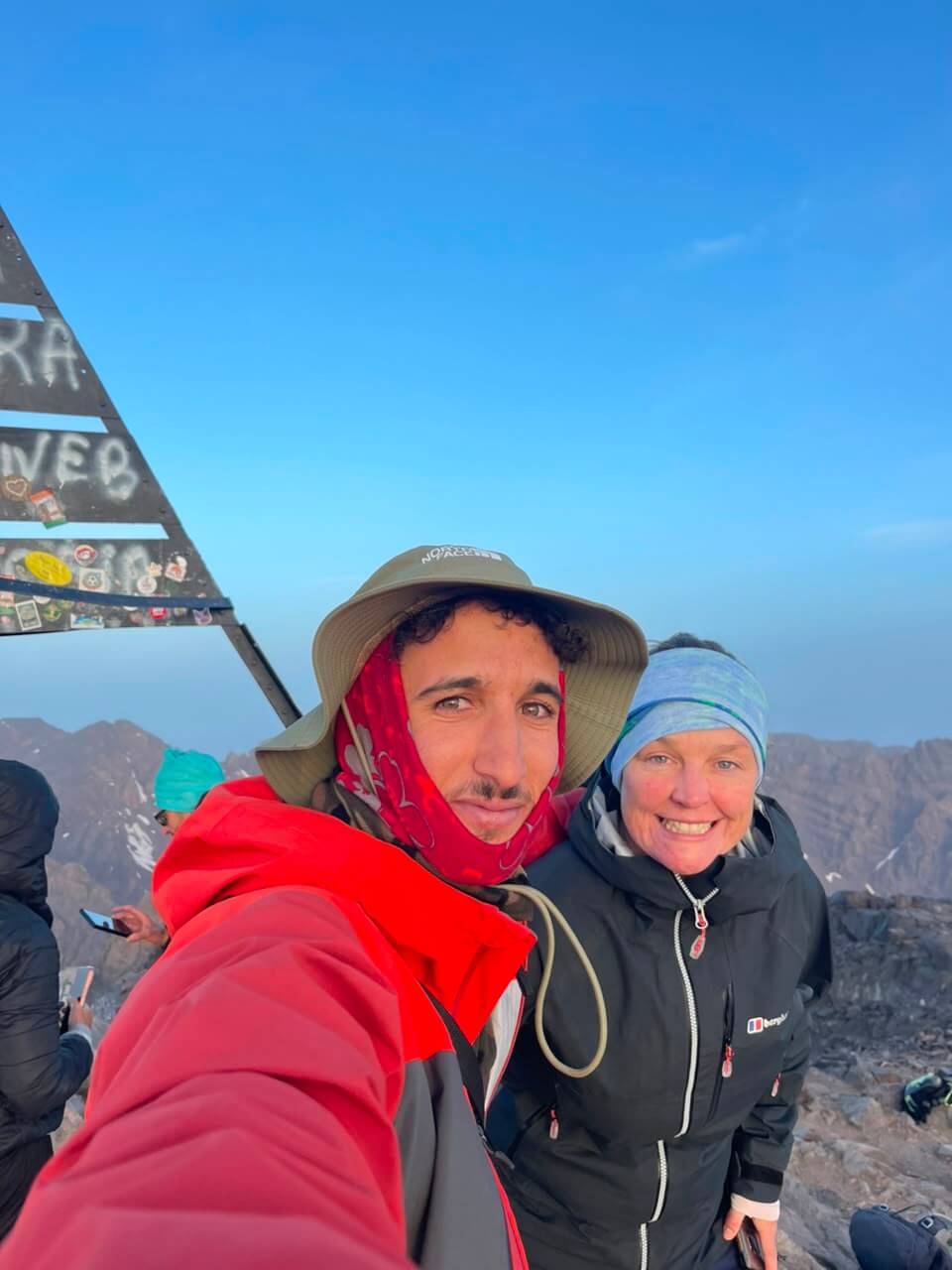
A rewarding journey to North Africa's highest summit, combining Amazigh villages, mountain landscapes and two nights in the Toubkal Refuge.
Highest
4,167 m
Difficulty
Moderate
Season
Year-round*
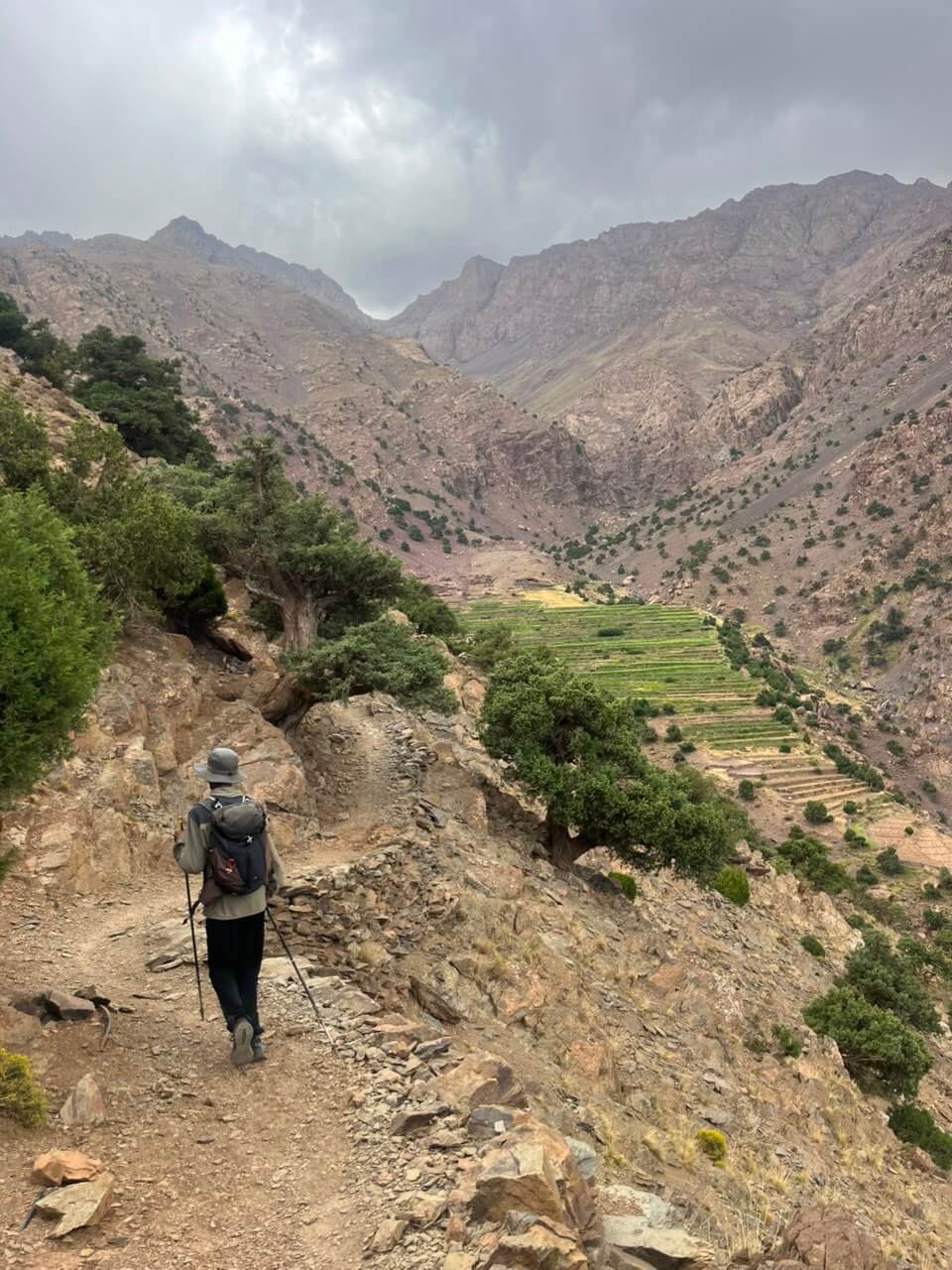
A spectacular circular trek through the Azzaden Valley, Azib Tamsoult and the wider Toubkal Massif, combining waterfalls, mountain passes, Amazigh villages and Mount Toubkal.
Highest
4,167 m
Difficulty
Moderate–Challenging
Season
Apr–Dec
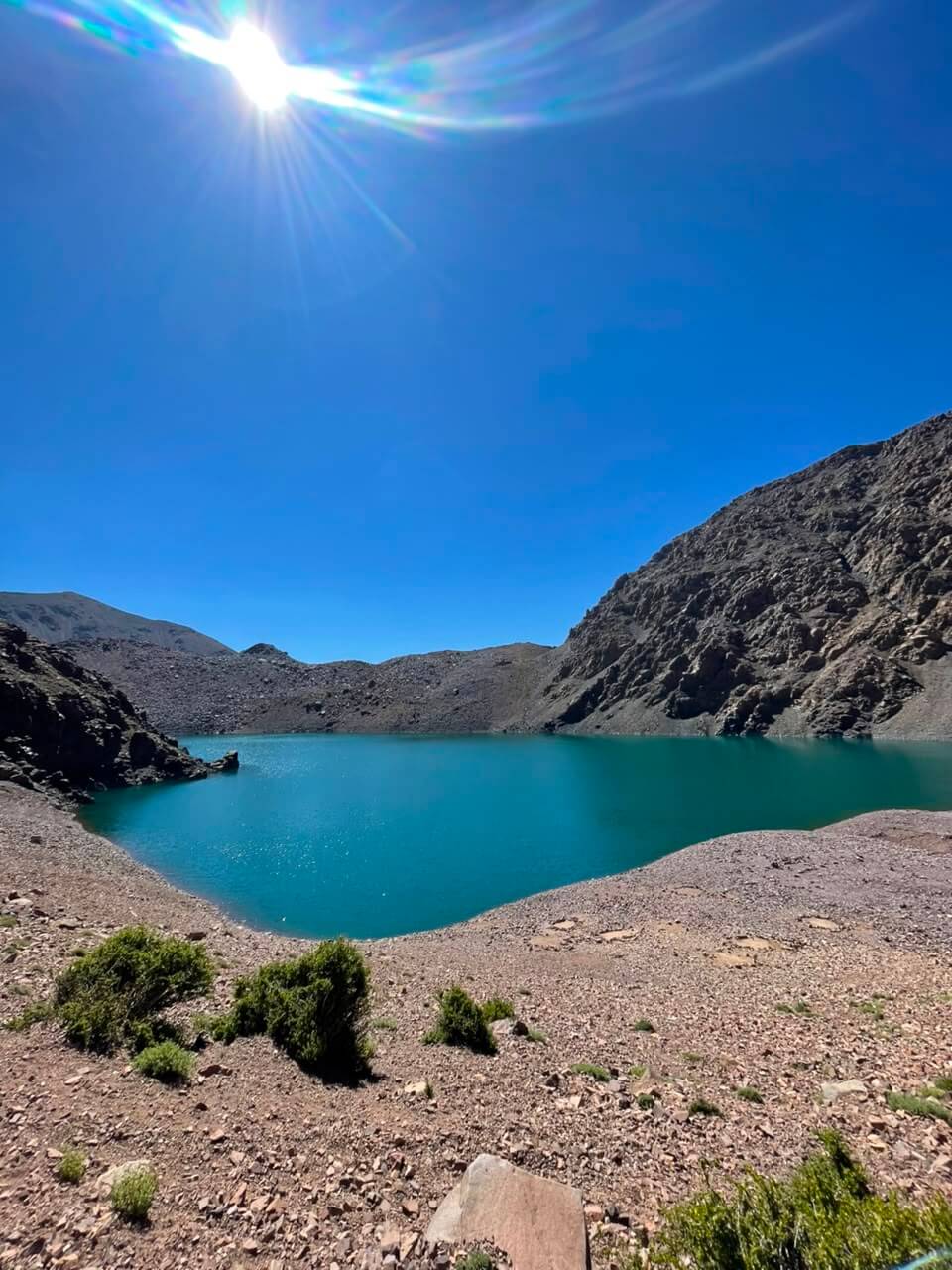
A spectacular six-day circular trek through the Toubkal Massif, crossing remote mountain passes, Lake Ifni, Amazigh villages and the summit of Mount Toubkal.
Highest
4,167 m
Difficulty
Challenging
Season
May–Nov
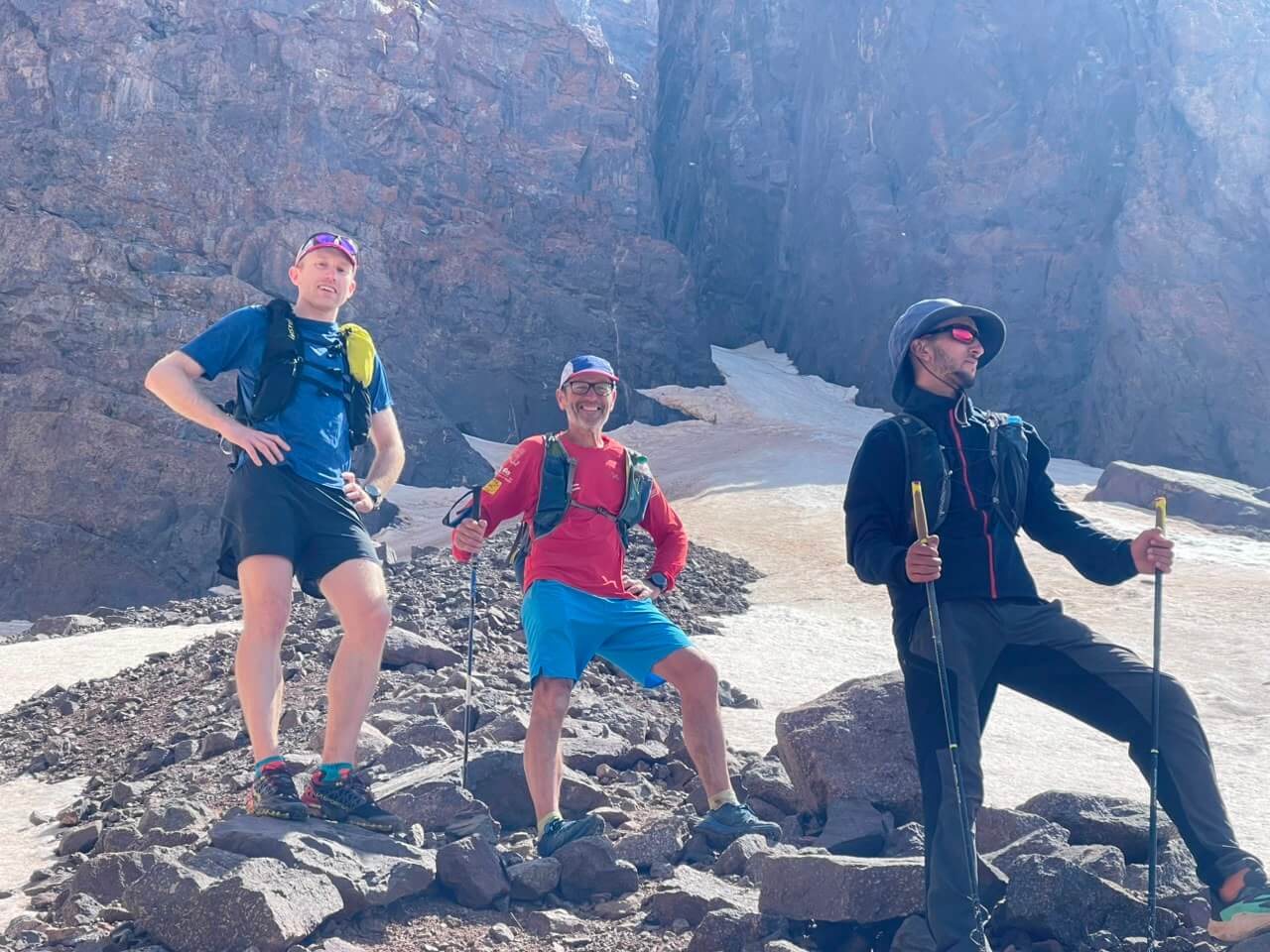
Conquer a collection of the High Atlas' most spectacular peaks, crossing remote mountain passes, rugged ridgelines and hidden valleys on a demanding expedition for experienced hikers and mountain enthusiasts.
Highest
High Atlas Peaks
Difficulty
Challenging
Season
Year-round*
* Year-round departures are subject to weather, snow and mountain conditions. Winter ascents may require additional equipment and appropriate mountain experience.
Mount Toubkal may be the highest point, but the real experience lies across the massif itself — its valleys, high passes, remote plateaus, Amazigh villages and collection of dramatic mountain summits.
Stand on Mount Toubkal at 4,167 metres and explore the surrounding high peaks of the massif, including Ouanoukrim, Ras, Timzguida and Akioud n'Bouimghaz. The region offers far more than a single summit.
Trek through traditional Amazigh communities, mountain villages and high pastures where daily life remains closely connected to the seasons, valleys and surrounding mountains.
Move between the Aït Mizane, Imnane and Azzaden valleys, crossing high mountain passes and remote trails that connect different sides of the Toubkal Massif.
From the Tazaghart Plateau and Lake Ifni to waterfalls, alpine valleys, ridgelines and vast mountain views, every stage reveals a different side of the High Atlas.
Come for the highest mountain in North Africa. Stay for the valleys, the people, the passes and the mountains beyond the summit.
Follow the landscapes and experiences that define the Toubkal Massif — from high mountain summits and remote valleys to Amazigh villages, mountain passes and unforgettable trekking routes.
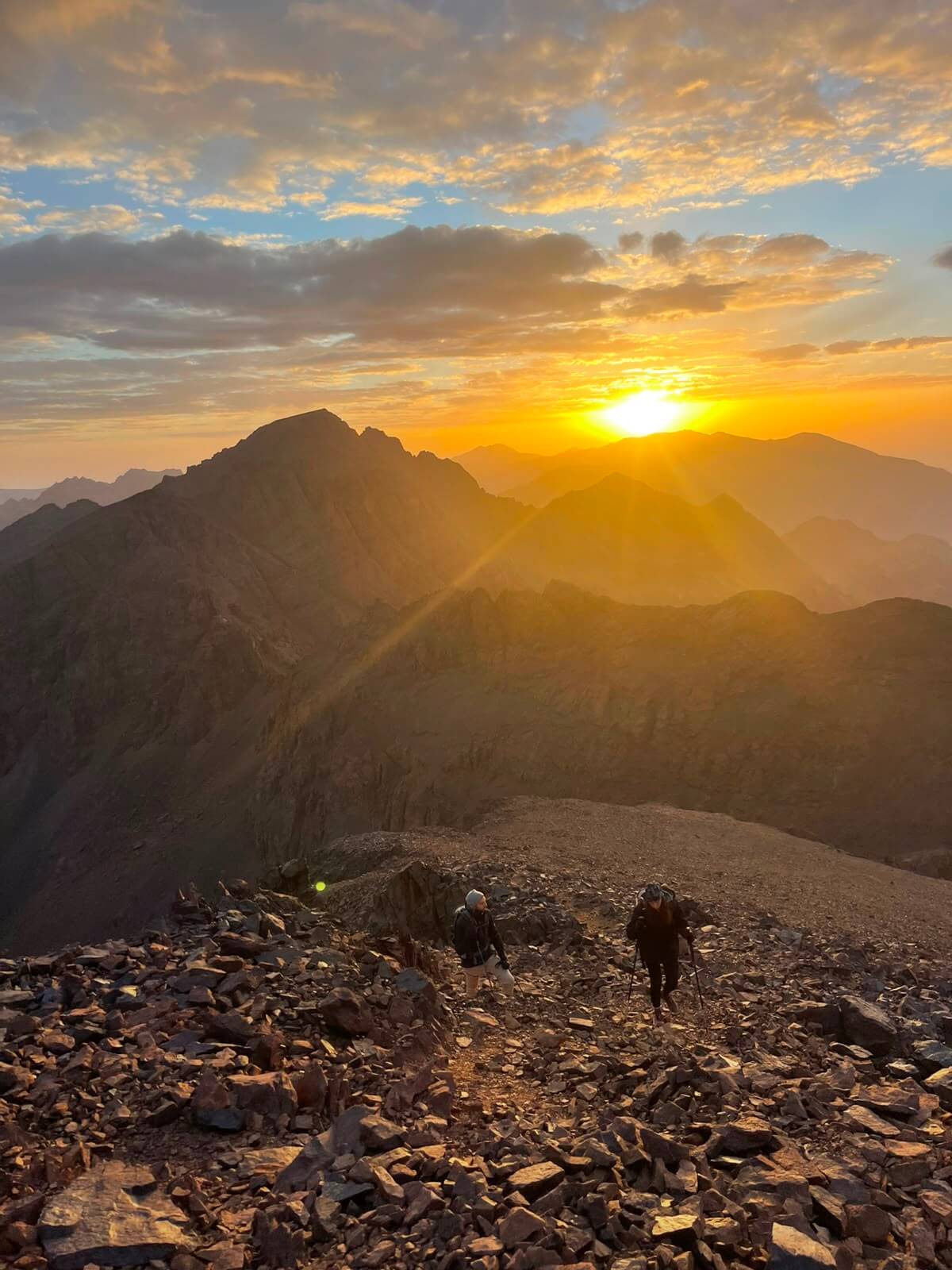
High Atlas
Ouanoukrim Peaks
Summit
Mount Toubkal · 4,167 m
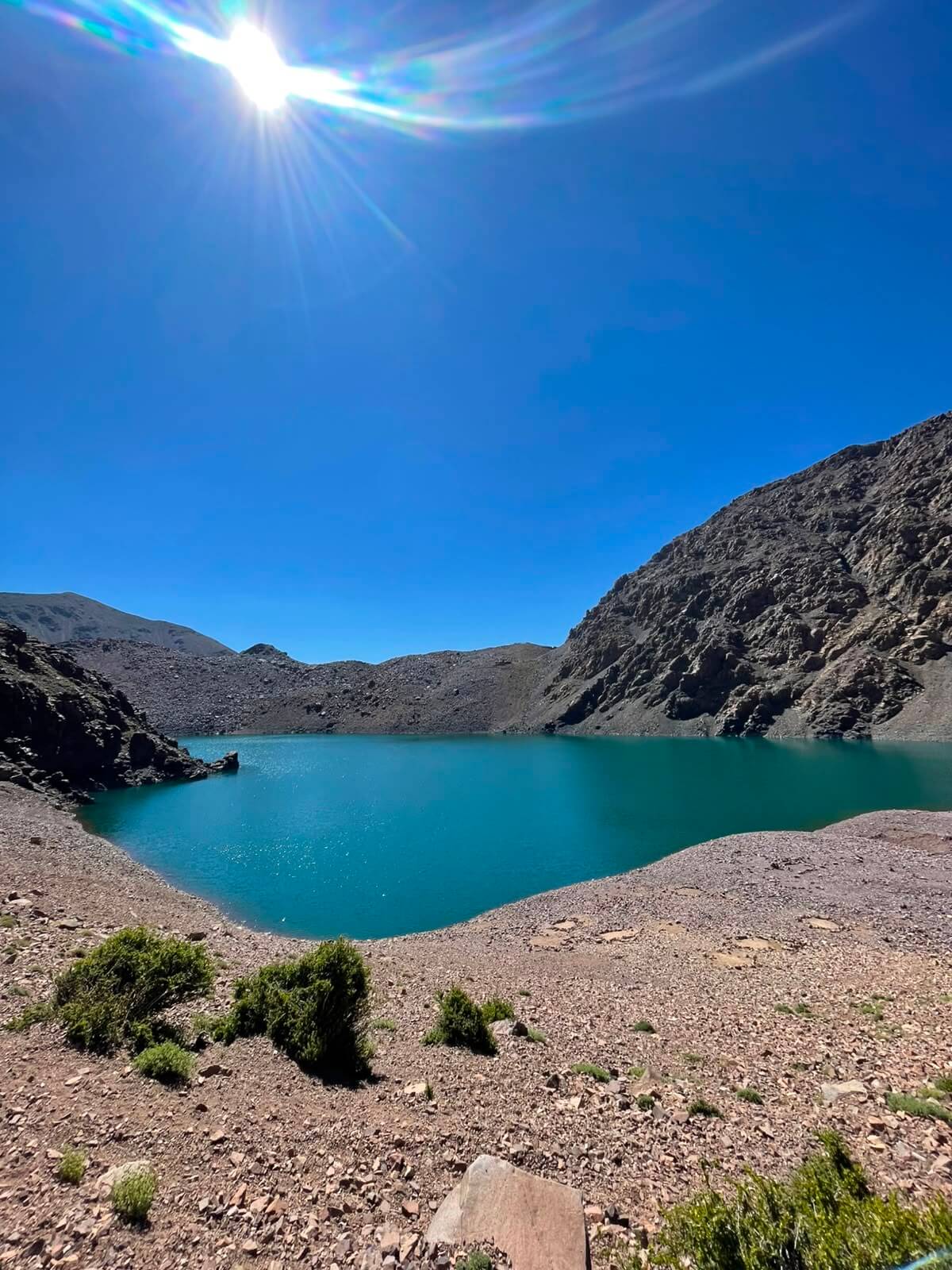
Lake Ifni
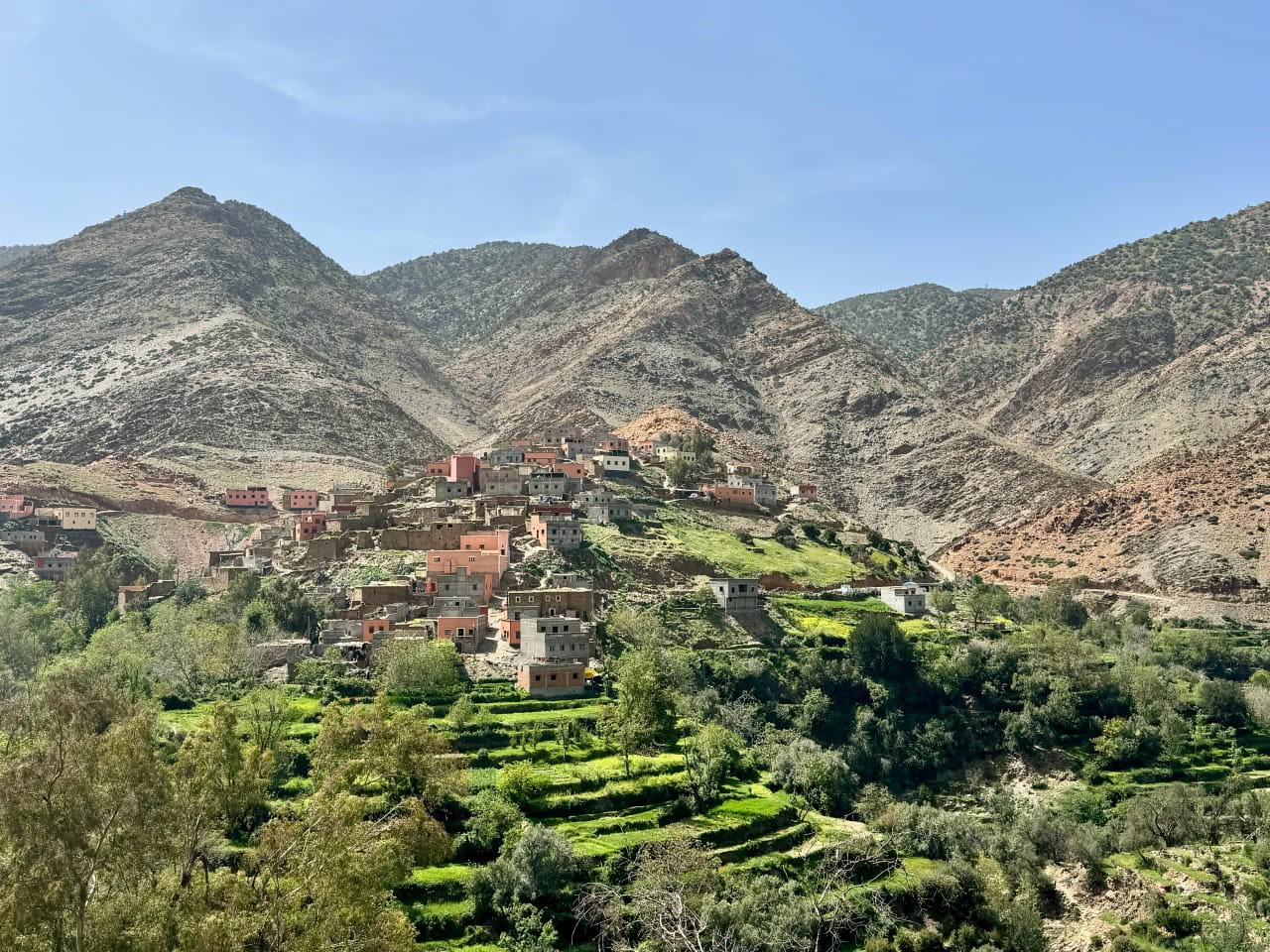
Mountain Life
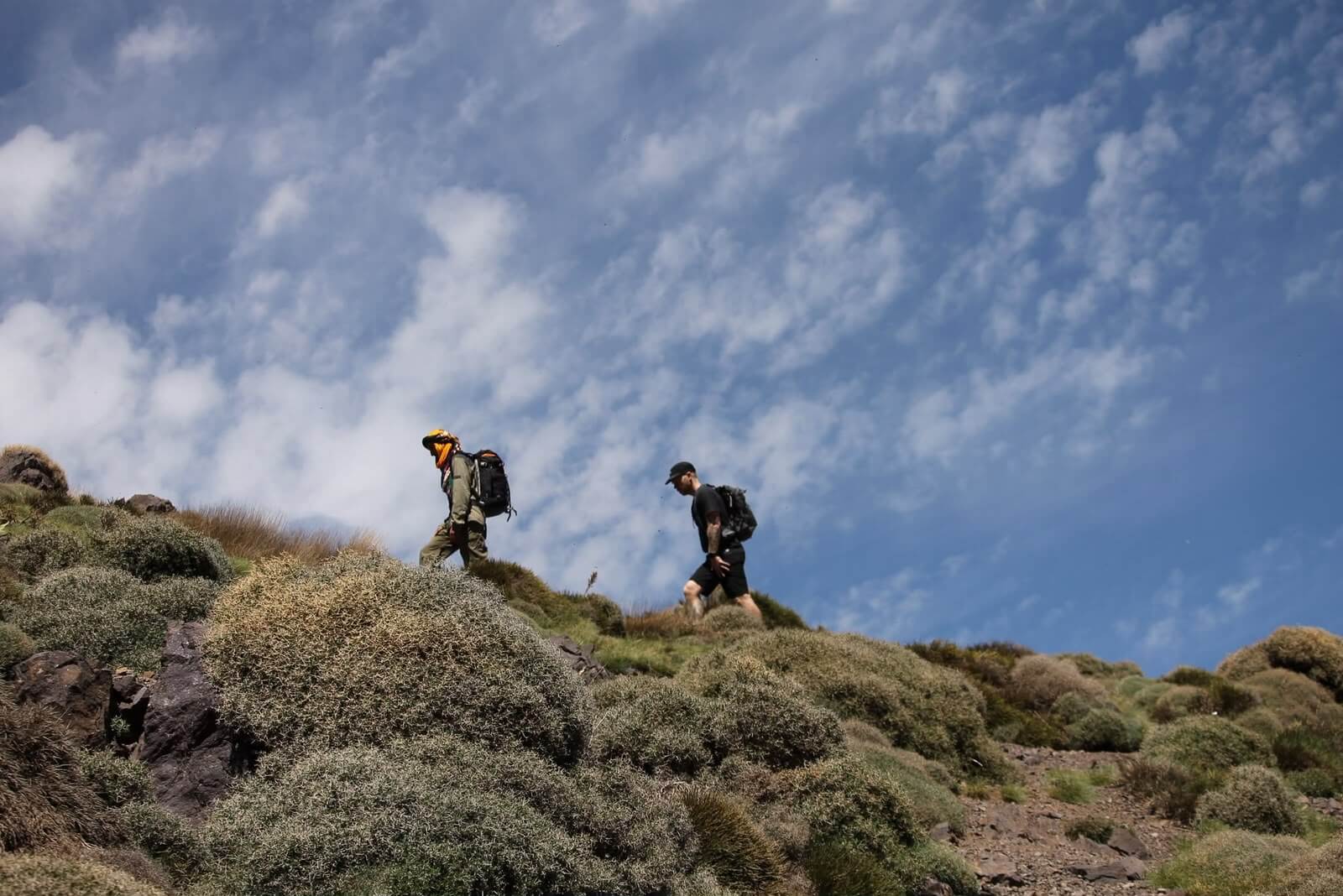
Mountain Passes
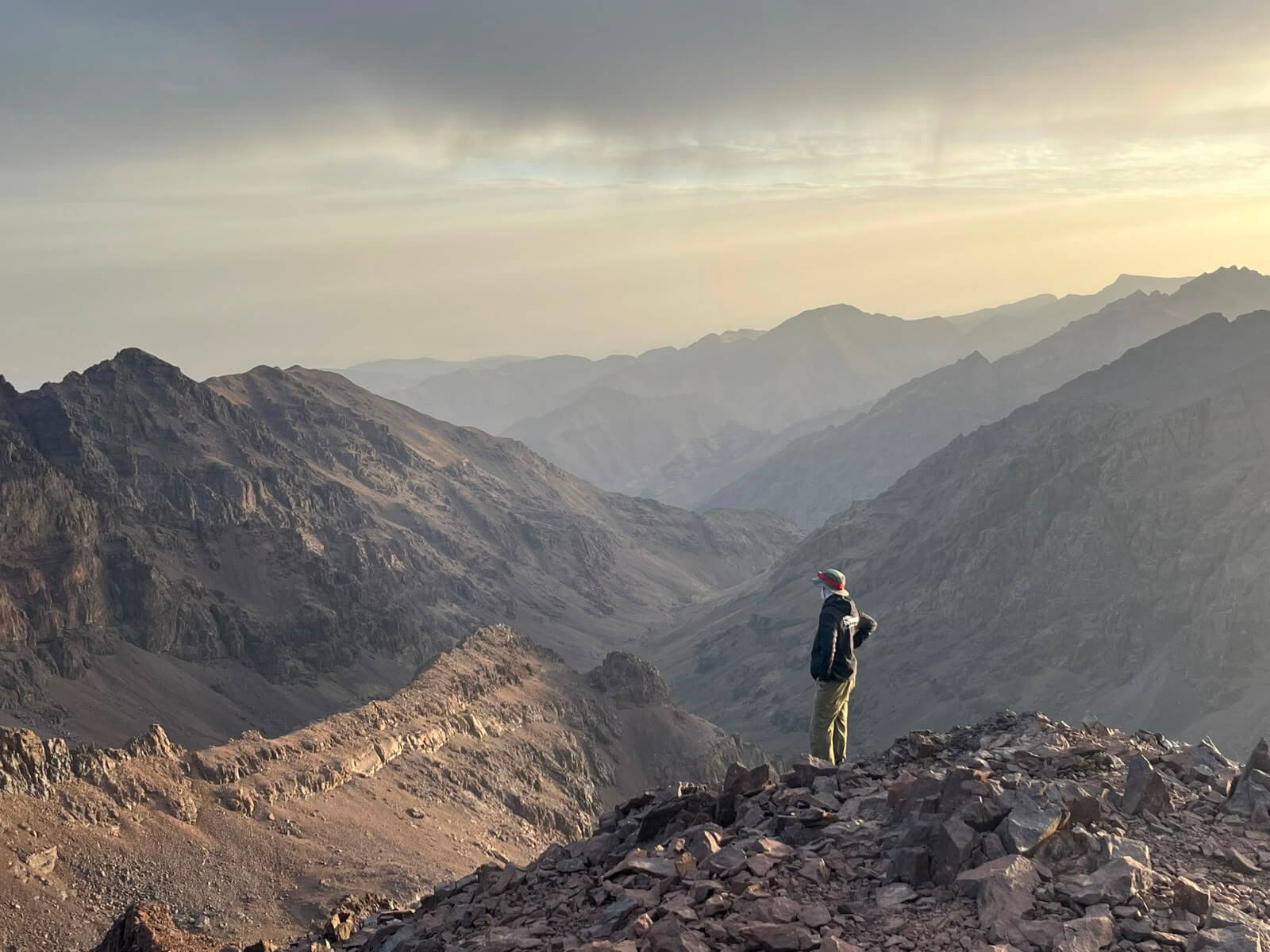
Toubkal Massif
Mountains Beyond The Summit
Climb Mount Toubkal, follow a longer circuit through the High Atlas, explore remote valleys or combine different experiences into one private journey. Your trek can be shaped around your interests, experience and time in Morocco.
Summit Toubkal
A focused summit journey
Explore Further
Multi-day mountain circuits
Go Private
A journey built around you